
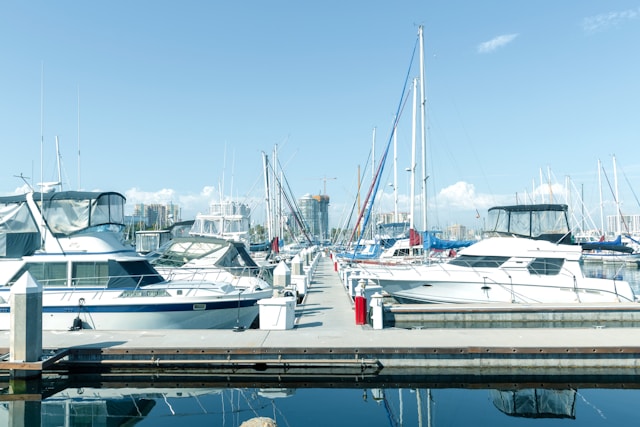
The Future Of Dock Design: Innovations And Trends On The Horizon
Key Takeaways
- The latest trends in dock design focus on sustainability and innovative technology integration.
- Floating docks and modular systems offer increased flexibility and convenience.
- Safety features and accessibility are paramount in modern dock designs.
- Innovations in materials are improving the durability and longevity of docks.
Sustainability In Dock Design
As environmental concerns grow, so does the emphasis on sustainable dock design. Using eco-friendly materials and techniques is becoming standard practice. For example, recycled plastics make durable dock planks, reducing environmental impact while maintaining strength and stability. Moreover, sustainable practices help meet standards and secure security for projects, making it a southeast-after approach for professionals in the field. Beyond regulations, a growing consumer demand for environmentally safe products drives innovation and adoption of green technologies in dock construction. By embracing sustainability, dock designers contribute to environmental conservation and create products that appeal to a more environmentally conscious audience.
Smart Technology Integration
The advent of innovative technology is revolutionizing dock design. Smart docks now feature integrated lighting, weather sensors, and automated mooring systems. Not only does this provide boaters with increased safety and convenience, but it also enhances the overall user experience. This trend is evident in decks and docks West Palm Beach, where cutting-edge technology is seamlessly incorporated into dock designs. Implementing IoT (Internet of Things) devices can optimize docking operations by providing real-time data and remote management capabilities. This allows dock owners to monitor and manage dock conditions and operations from anywhere, ensuring optimal performance and durability. Smart technology integration can also offer energy-saving solutions, making docks more efficient and environmentally friendly.
Floating Docks And Modular Systems
Floating docks are gaining popularity due to their adaptability and ease of installation. They naturally adjust to fluctuating water levels, providing boaters with a reliable docking solution. In areas affected by tidal changes, floating docks offer unparalleled convenience as they rise and fall with the water levels, ensuring safe and easy access at all times. Additionally, modular systems allow for customizable configurations, catering to specific needs and preferences. These modular components can be added or removed as necessary, offering flexibility that traditional fixed docks cannot provide. This customization is particularly beneficial for commercial marinas and recreational facilities with varying requirements. You can visit this article for information on how floating docks improve marina experiences. Modern dock designs can adapt to various environmental and usage conditions by combining floating and modular features, making them versatile for multiple applications.
Enhancing Safety And Accessibility
Modern dock designs prioritize safety and accessibility. Features such as non-slip surfaces, handrails, and wheelchair ramps ensure everyone can enjoy waterfront activities safely. Including ample lighting and clear signage further enhances safety, especially during nighttime operations. To accommodate a diverse range of users, docks are being designed with multiple entry points and varying heights, making it easier for people of all abilities to access the water. As regulations around accessibility increase, these features are becoming more standardized, enhancing the marina experience for all users. Incorporating safety and accessibility features improves user experience and helps prevent accidents and injuries. Ensuring that everyone may profit from well-designed docks requires an emphasis on safety to draw on a wider variety of visitors and clients.
Innovative Materials For Durability
Advancements in materials are revolutionizing dock design, with high-density polyethylene (HDPE) standing out for its exceptional durability and resistance to harsh marine environments. HDPE extends dock lifespans and minimizes maintenance by resisting UV rays, chemicals, and extreme weather conditions, making it an ideal construction choice. Dock designers can use these innovative materials to create long-lasting, low-maintenance structures, reducing long-term costs and ensuring safety. Furthermore, durable and sustainable materials satisfy consumers’ desire for eco-friendly products while promoting environmental conservation. For more details on material innovations, refer to this comprehensive resource.
Climate Resilience
With the growing impacts of climate change, it is necessary to construct docks that can withstand extreme weather conditions. Engineers are incorporating resilience features such as reinforced structures and flexible joints to manage the impact of storms and high winds. This ensures the longevity and functionality of docks in diverse climates. These resilient designs offer peace of mind and sustainability for marinas in areas prone to natural calamities. Integrating climate-resilient features protects the dock and enhances overall safety for users. By anticipating and mitigating the effects of extreme weather events, dock designers can create structures that remain reliable and secure under various conditions.
Economic Considerations
While cutting-edge dock designs offer numerous benefits, they also have financial implications. Marina operators and private dock owners must balance initial investment costs with long-term savings from reduced maintenance and improved durability. Selecting economical solutions while maintaining quality is essential for sustained development. Dock owners can realize substantial savings over time by lowering repair and replacement expenses by investing in premium materials and creative designs. Analyzing cost-effective solutions without compromising on quality is crucial for sustainable development. Moreover, choosing suitable materials and designs can lead to significant economic benefits over the dock’s lifespan, making it a wise investment for the future. By assessing the total cost of ownership, including maintenance, repair, and replacement expenses, dock owners can make informed decisions supporting financial and operational goals.