

Top Lifestyle Habits That Contribute to Facial Wrinkles
Table of Contents
- Excessive Sun Exposure
- Smoking
- Poor Diet
- Dehydration
- Lack of Sleep
- Stress
- Repetitive Facial Expressions
- Sleeping Positions
- Final Thoughts
Facial wrinkles might be an inevitable aspect of aging, but a surprising number of creases and fine lines emerge mainly due to everyday lifestyle choices. By making thoughtful adjustments, it is possible to slow down the visible effects of aging and preserve smoother, healthier-looking skin longer. For those seeking additional aesthetic support, treatments like NovaThreads Norfolk, VA can complement lifestyle changes by lifting and tightening sagging skin, enhancing overall facial appearance.
Even small changes to your daily habits—ranging from sun protection to sleep quality—play a major role in maintaining skin’s elasticity and appearance. Proactive measures today can lead to a more youthful complexion tomorrow and potentially reduce your need for future cosmetic interventions.
Beyond genetics, factors such as diet, stress, and environmental exposure can accelerate the formation of wrinkles. By understanding which habits matter most, you can take preventive actions that benefit your skin for years to come.
Many leading dermatologists emphasize that lifestyle modifications are as important as high-quality skincare products when it comes to controlling premature aging. Consistency and mindfulness form the foundation of every effective wrinkle prevention strategy.
Excessive Sun Exposure
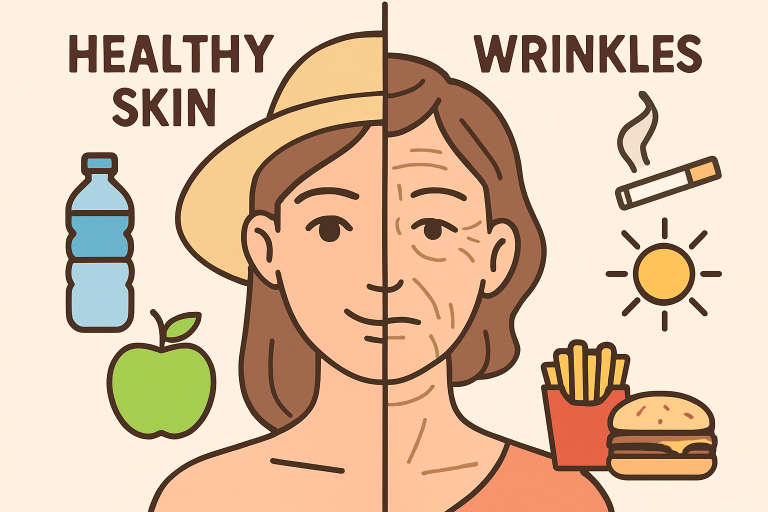
Among all external influences, unprotected sun exposure is the greatest contributor to premature facial wrinkles. Ultraviolet (UV) rays from the sun penetrate the skin and break down critical proteins such as collagen and elastin. Over time, this leads to sagging, discoloration, and a pronounced deepening of wrinkles.
It is crucial to apply a broad-spectrum sunscreen with an SPF of at least 30 each day, even on overcast days. Wearing hats, sunglasses, and staying in the shade during peak sunlight hours further shields skin from harmful rays. A diligent sun protection routine significantly reduces the risk of photodamage that drives early aging.
Smoking
Smoking is not only harmful to internal health, but it also speeds up skin aging dramatically. Tobacco smoke contains chemicals that constrict blood flow, depriving skin cells of essential oxygen and nutrients. This not only makes the complexion appear dull but also leads to more pronounced wrinkles, especially around the mouth and eyes. According to the American Academy of Dermatology, quitting smoking yields visible improvements in skin tone and elasticity.
Poor Diet
Diets rich in sugars and highly processed foods accelerate the aging process through a mechanism called glycation, in which sugar molecules damage collagen and elastin. The resulting inflammation leads to early loss of skin firmness and an increase in wrinkle depth. Instead, a balanced diet rich in antioxidants—such as those found in berries, nuts, leafy greens, and whole grains—supports skin repair, fights free radicals, and slows visible signs of aging.
Dehydration
Skin hydration is crucial for maintaining a plump, resilient skin surface. Inadequate water intake leaves skin looking dry, thin, and less capable of resisting wrinkles and creases. Establish a habit of drinking water throughout the day to keep skin cells hydrated, supple, and better protected against environmental stressors.
Lack of Sleep
Quality sleep is a time for the body to repair and rejuvenate the skin. Without enough restorative rest, cellular turnover slows, and the skin’s healing process falters, resulting in more visible fine lines and dullness. Experts recommend at least 7-9 hours of restful sleep each night to support the body’s natural repair mechanisms and maintain a youthful glow.
Stress
Chronic stress triggers a surge in the hormone cortisol, which can break down collagen and elastin fibers at an accelerated rate. This hormonal impact reduces the skin’s natural resilience and elasticity, directly contributing to the development and deepening of wrinkles. Stress management is key; regular practice of relaxation techniques, such as meditation, exercise, or engaging in hobbies, helps maintain hormonal balance and skin vitality. The Harvard Health Blog examines the broader impact of stress on the body, including its effects on eating habits and skin health.
Repetitive Facial Expressions
Repeated facial movements such as squinting, frowning, or pursing your lips eventually etch expression lines into the skin. Over the years, these common gestures can lead to crow’s feet, forehead furrows, and smile lines. Being aware of facial habits and correcting vision problems with glasses or contacts can help reduce unconscious muscle contractions, thereby preserving smoother skin for a longer period.
Sleeping Positions
The way you sleep matters more than you might think. Sleeping on your side or stomach causes repeated pressure against the pillow, resulting in creases—commonly referred to as sleep lines—that can become permanent. Dermatologists widely recommend sleeping on your back to minimize these effects.
Final Thoughts
While wrinkles are a natural part of aging, many visible signs can be delayed through mindful lifestyle choices. Protecting your skin from the sun, avoiding smoking, maintaining a balanced diet, staying hydrated, prioritizing quality sleep, managing stress, and being aware of facial expressions and sleeping positions all contribute to healthier, more resilient skin. Consistent attention to these daily habits complements skincare routines and empowers you to preserve a youthful appearance for longer, reducing the need for more invasive cosmetic interventions in the future.